Best Proctology EMR Software Buyer's Guide 2025

Mike Garcia
Dec 09, 2025
241
Mike Garcia
Proctology EMR software is designed for proctologists who often work with urologists, gynecologists, and gastroenterologists to assist patient care. They require frequent data sharing and software that supports surgical charting for streamlined clinical operations. The Proctology EHR Software must offer interoperability options to support seamless care coordination.
To understand how the software works, it is advisable to learn about the different features and functionalities. Before choosing a Proctology Electronic Medical Records (EMR) software, we should check if the software has the following key features:
Templates – To save time during patient charting, Proctology EMR Software needs to eliminate the time spent on repetitive tasks. Templates designed specifically for proctology symptoms and diagnoses enhance efficiency during the patient examination, as well as reduce errors by providing a customized checklist of symptoms for the physician to choose from. The templates should be customizable so providers can add and remove items as they see fit.
Customized Imagery for Annotation – To make patient charting more efficient, electronic medical records software (EMR) should have customizable imagery templates for annotation. These templates provide a basic image of the colon, anus, or rectum, where the physician can simply mark out the affected area and the nature of the ailment. These charting techniques make it easier for proctologists to review patient history on their next visit, as well as mark out treatment progress.
Workflow Management - Proctology practices need to deal with recording and storing large volumes of data. The Electronic Health Records software should be able to manage, document, and maintain all the proctology-related workflows. This helps physicians have a better understanding of the condition of the patient and helps them make the right decisions at the right time.
Integrated Devices – Integration with labs, pharmacies, and diagnostic devices enables automated result import in patient files. Results from a Colonoscopy or a Rectal Biopsy are immediately sent to patient files for storage and management, enabling proctologists to diagnose, plan treatment, and track progress.
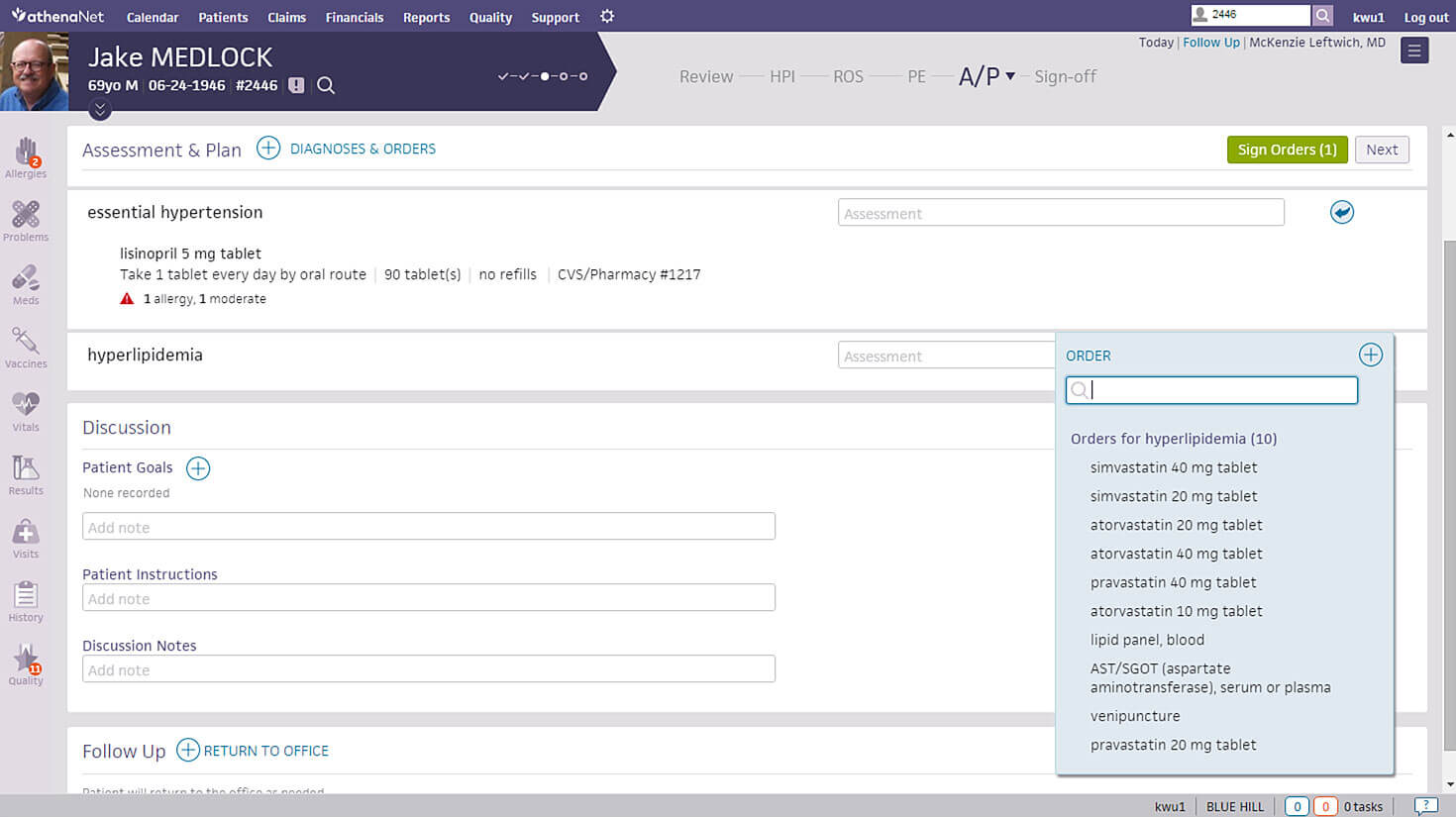
Order Sets – Templates for order sets are also helpful in streamlining clinical workflow. These are predesigned order sets for lab and diagnostic tests. Orders can be customized from patient to patient, but they save time and reduce error because the template provides all tests, making sure the physician doesn’t overlook any option.
Hands-Free Charting – Proctologists usually conduct physical exams as well as surgical procedures. This doesn’t allow for accurate point-of-care charting. Cloud-based Electronic Medical Records software can enable hands-free charting on mobile phones and handheld devices by using voice dictation. It can further enhance patient files by using mobile cameras to upload images of the affected area.
Proctology Dashboard - The Top Proctology EMR software must feature a real-time dashboard that will help physicians view patient charts, profiles, billing processes, scheduling, etc., all in one place. The dashboard also saves the time that is taken to open multiple tabs.
ICD/CPT Codes – Built-in ICD-10 and CPT codes specific to proctology ensure error-free claims for faster billing.
Proctology Electronic Medical Records Software (EMR), commonly referred to as Proctology EMR Software, is the electronic method of storing patient medical records. Using specially designed software, proctologists can store anything ranging from patient demographics to extensive clinical information about patients, such as medical history, social history, lab reports, and more.
Since all medical providers (MDs, DOs, PAs, NPs, LCSW, OT, etc.) work distinctly based on their background and medical specialty, EMR Software or EHR Software must accommodate the unique style and documentation requirements. Examples of such specialty-specific features include the ability to annotate images and store before/after photos for Pain Management specialists and Dermatology specialists, respectively. Similarly, specialties such as Pediatrics, Oncology, Podiatry, Ophthalmology, Neurology, Nephrology, Dialysis Centers, Rheumatology, and Chiropractic Care require their unique set of specialty-specific features to simplify adoption.
Since the introduction of the HITECH Act, healthcare IT has undergone a massive transition, starting from the widely recognized Meaningful Use program to what is now known as MACRA, the Medicare EHR Incentive Program. The Meaningful Use program has transformed and now forms part of the four components of the new Merit-Based Incentive Payment System (MIPS), which is a fundamental part of MACRA.
For some medical practices, the transition from paper-based records to EMR Software (Electronic Medical Records Software) has not been simple. Regardless, realizing that the benefits of utilizing ONC Certified EMR Software far outweigh the hassle and challenges associated with it, ensuring a viable future, most practices today have successfully transformed their clinical and administrative operations to EMR Software.
Aside from ensuring tangible financial incentives and profitability, practices converting to EMR / EHR Software have seen the following benefits:
Just like a medical specialty, EHR Software requirements also depend on the size of the medical practice. From solo-provider clinics to large multi-provider, multi-specialty clinics, every practice has unique inherent challenges that must be addressed by the EMR Software vendor.
A small doctor’s office not only has a limited number of staff members, but its EMR Software budgets are also meager compared to a large enterprise such as a hospital. Due to these budgetary constraints, many providers simply employ Free EMR Software or choose an affordable EHR Software vendor with a low fixed monthly fee. Cloud-based access is one such important requirement so that these providers can access patient charts even from home when needed.
These practices usually consist of 5 to 10 medical providers, often belonging to the same medical specialty. Their requirements are more stringent, and their budget is also considerably larger. Aside from specialty-focused requirements (EHR Software by Specialty), these practices also require unique features such as interoperability, dedicated customer support, multi-device support, and an extensive reporting functionality to keep an eye on the overall performance of the practice.
Larger group practices generally comprise more than fifteen or, often, twenty medical providers. These practices usually provide medical services that fall under various medical specialties (Orthopedics, Pain Management, Surgery, Chiropractic Medicine, Family Medicine, etc.). Therefore, these practices require support for multiple users to access the EMR system simultaneously and for the scheduling software to accommodate multiple locations, providers, and resources such as Dialysis Chairs, procedure room allocation, etc. These practices also keep replacing or adding staff members, and need a scalable solution.
EHR software companies, such as Epic, Cerner, AllScripts, NextGen, Athenahealth, IMS by Meditab, eClinicalWorks, Meditech, McKesson, and MEDHOST, typically target and provide solutions for larger corporations, including hospitals, ACOs, PCMHs, IPAs, CINs (Clinically Integrated Networks), and public health departments.
These customers have the most elaborate list of requirements, which are usually documented in the form of an RFI or RFP to assess and shortlist vendors that can meet them. The requirements consist of features like inventory management modules, interface with local labs (LIS), machines, and diagnostic equipment, along with drug dispensing (pharmacy management software) and electronic medication administration records (EMAR), etc.
These entities also require the EHR software to integrate with multiple other software and medical devices.
Since the introduction of Meaningful Use, most healthcare practices have little or no choice but to convert their practice operations to EHR software. However, most providers today select the EHR software that best suits their specific needs and must perform an extensive search to evaluate all available options before they find one that is suitable. Most potential EMR Software buyers in the market today have the following in common:
Although #3 is ideal, every provider and practice workflow is unique and, therefore, what works for one provider may not suit the other. “One size fits all” simply doesn’t apply in the world of healthcare IT. Software experts and industry specialists are an ideal source of information and advice, and ultimately ensure that the right decision is made.
EMR software includes several types of software based on specific applications or functionalities:
Small doctor offices benefit the most from cloud-based EMR Software technology since minimal to no upfront cost or maintenance is required, and accessing the EHR Software is possible from any location, given the availability of internet access. This type of EMR software is also device-independent in most cases and can be accessed using devices such as Smartphones (Android & iOS), iPhones, iPads, laptops, and desktop computers.
Apple dominates the digital device and computer market in the US today, so it is no surprise that many providers are specifically looking for their EHR Software vendor to support the Mac operating system (Mac EMR Software). Not all Vendors today support Mac devices, so finding a vendor with native support for Mac devices is essential to ensure that the software performs optimally on existing hardware at the practice and does not require additional investment in computer systems.
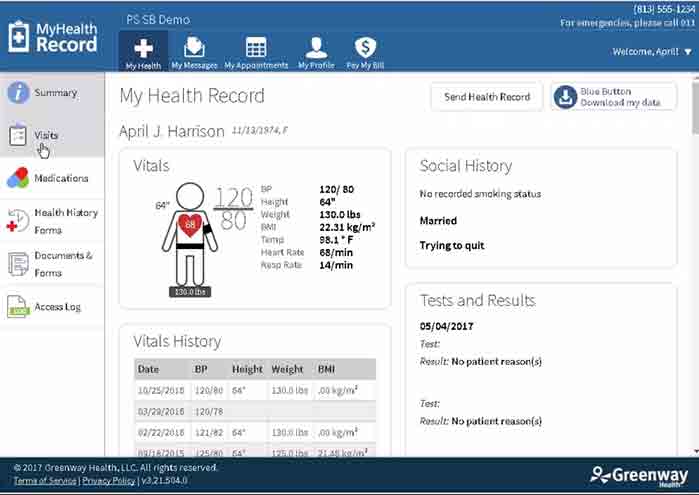
This is the most significant requirement for most software buyers today, as the software must comply with the standards and guidelines set by the Office of the National Coordinator (ONC). The online repository details all software vendors and details related to their respective compliance with the measures set by the ONC (Click here). Software that complies with these standards has undergone rigorous testing and is confirmed at a benchmark level defined by the federal body. The software testing done during this exercise checks all areas of the EMR Software system, from Patient Portal access to the way the EHR Software communicates with other programs and entities like labs, Pharmacies (via e-Rx), hospitals, HIEs, etc.
Electronic health records software (EHR) for certain specialties, such as proctology, surgery, or gastroenterology care, must provide distinct tools and templates to record the clinical workflow of the specialists, such as specifying the areas of concern (for example, Anal fissures) and providing appropriate diagnosis codes.
With competition rising in healthcare IT, EMR software providing integrated Practice Management software as part of their overall software package easily outperforms rivals with standalone EHR Software, including those that may provide specialty-specific EHR software. EMR Software companies with integrated Practice Management solutions often tend to provide extensive reporting capabilities to track practice performance and manage business operations better.
Medical practices require software systems to streamline operations across the board. One such important area is billing for services rendered and communications with insurance companies. Medical Billing Software, therefore, works best when integrated with Electronic Health Records (EHR) software. All clinical documentation seamlessly conforms to the required standard and forms a financial document that can be electronically sent to payers (insurance carriers) to verify and process at their end. This simplifies the operations and ensures all parties are on the same page when it comes to the financial health of the enterprise. Medical billing software helps practices and medical billing managers generate claims and patient statements, verify patient eligibility, and more. This software is ideal for practices that want to handle billing in-house and can integrate with EMRs.
An EMR Software must ensure the security and safety of patient records while ensuring privacy and HIPAA compliance for patient/doctor communication (Patient Portal). This is a paramount concern for physicians, and HIPAA compliance should be guaranteed at all times by the EHR Vendor. Most Vendors today (Epic, Cerner, Athenahealth, AdvancedMD, PrognoCIS, Modernizing Medicine, eClinicalWorks, etc.) are aware of the importance of HIPAA compliance and have taken steps to ensure the safety of patient records security in every section of the EHR Software using advanced tools like data encryption technologies to enhance the security of the EMR software.
One of the decisions your practice will have to make is whether you want just EMR software or one with integrated Practice Management for billing and scheduling. There are advantages to having both together, but there have been cases where some practices only go for one if they had unique requirements that a vendor could not fulfill, or they had already paid a hefty amount for a PM software and weren't looking to replace it yet.
Doctors are not IT professionals, and though some might be tech-savvy, it would be egregious to expect them all to be experts on EHR software. Ease of use is essential to make the transition from paper to electronic smooth, as well as the day-to-day practice to go along without a hitch. If the software is too complicated and hard to understand, it's a waste of precious time and needlessly aggravating. Some vendors offer free training, while others don't make sure you ask for training if your practice needs it.
Not all specialties are created equal, so why must their software be generic? Basic EHR software works well and is good for general practice and most specialties, but doctors have complained about specialty specific not being available in the market. The specialty software has inbuilt recording systems that make specialty practices function efficiently. Only a few vendors provide specialty-specific software, so there aren't many to choose from. But more vendors are cottoning on to the demand and there should be more options shortly.
Support is a major issue most practices have with their current vendors. A good support team can make small glitches to major roadblocks easy to maneuver while a bad one will just make things worse. Some vendors provide support as part of the plan you're already paying for, while others charge extra for support. Scout the market, read reviews, or just ask point blank if there will be a special support team assigned to each practitioner and whether you'll be charged for the service.
There are varying price lists out there, some offer free services, while others charge an arm and a leg for specialty services. Either way there will be hidden costs that you might get to know about later. Fix your budget and talk to vendors you interview about hidden costs within the contract and whether services such as training and support are free.
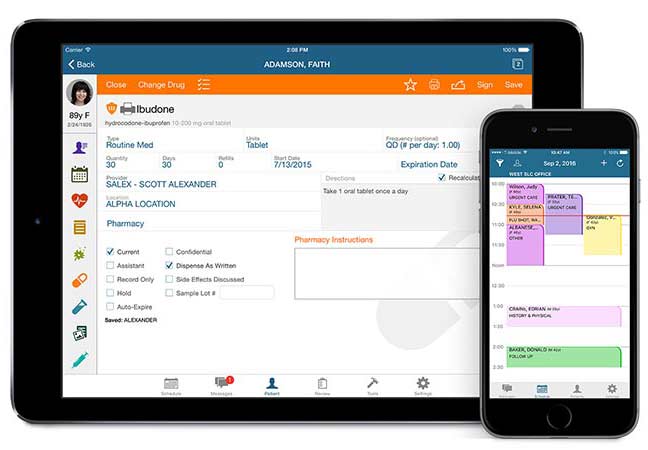
Smartphones have changed the dynamics of mobile usage. Handheld devices are easy to carry around and can be used for any number of uses. Most people are ditching the cumbersome PC for a handheld device. Doctors mostly use iPads or Tablets in the examination room to take down patient symptoms, check history, and note down the prescription, so the vendor must have a mobile application that is synced with all the mobile devices being used in the practice.
Like anything else, the EMR software industry is also subject to constant changes. From new technology to legalities and governing bodies, everything is constantly changing. Here are some of the changes that would do well for medical practices to keep track of.
At a healthcare conference, Andy Slavitt, the administrator of the Centers for Medicare & Medicaid Services, declared that Meaningful Use was over. Since then, Meaningful Use has been renamed Promoting Interoperability and has brought along new updates to its core principles.
The program has been overhauled, with the CMS dedicating the program to the exchange of health information and patient data, as well as encouraging medical professionals to implement Certified Electronic Health Records (EHR) technology.
It's no surprise that more vendors are switching to Cloud-Based EMR software. Cloud-based EMR software systems can cut down on steep upfront costs that otherwise would be spent on client servers, and they can even be hosted from any device with an internet connection and web browser, making them a much more convenient option. Research has found that only 25% of practitioners are interested in a web-based EMR system, whilst 50% are willing to have it as an initial model that eventually transitions to cloud-based.
Whilst better patient access is expected of many EHR software systems, the feature has not been completely integrated yet. According to a study in 2019, only 10% of patients (who had access to their records) viewed them. Additionally, of these patients, 63% were encouraged to do so by their respective providers. Vendors of electronic medical records software (EMR software) are updating their systems to be easier to navigate and to better suit patients’ requirements; this also prepares EMR systems for potential future regulatory changes. More health practices are also providing more guidance and raising awareness to encourage more patients to regularly check their health records before appointments.
Electronic Health Records software systems must be inclusive of a wide range of digital capabilities. By working towards better data liquidity, data would be more accessible and therefore increase the EHR footprint, which can be done without compromising on security. Additionally, implementing interoperable electronic health record systems (EHR systems) would also allow better access and exchange of patient information between healthcare organizations.
The growth of your practice can be greatly benefited by boosting patient engagement. One approach can be to make resources and content readily available within patient communities. Another can be to increase patient outreach. Additionally, regular appointment reminders (which can be handled via appointment reminder EMR software) can reduce cancellations and improve patient engagement.
Artificial intelligence and machine learning have both had major impacts on health IT in recent years. It is likely that as these continue to evolve and change, they will have just as big of an impact on EMR software systems. AI and machine learning algorithms can improve Electronic Health Records software by making them more intuitive and efficient, they can help streamline medical workflows and help improve patient outcomes. Applying these technologies to EHR software systems can also enable physicians to provide much more personalized and proactive care, by identifying any potential health issues early through analysis of patient data. By providing access and insights into large amounts of patient data, artificial intelligence, and machine learning algorithms have the potential to revolutionize clinical research and drug development.