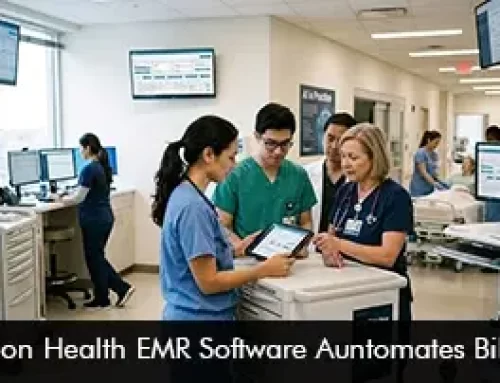


Traditionally, healthcare organizations were satisfied with EHR software technology that could handle daily workflows. These processes include billing, documentation, patient scheduling, and patient records management. As the healthcare landscape evolves, modern EMR software requirements have expanded beyond these basic needs.
With 2027 being around the corner, many providers are rethinking whether their current EHR software can keep up and maintain practice success. Administrative load is increasing, interoperability requirements are growing, and AI is becoming an integral part of daily workflows. So the EHR system designed for the future should be flexible, cohesive, and powerful to support practices of all sizes.
AI-Supported Workflows with EMR Software
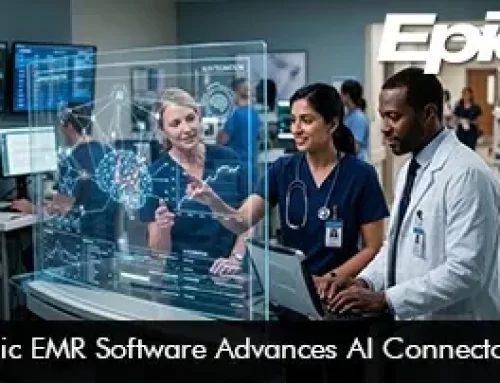
Over the years, we have seen AI taking center stage in healthcare. AI is no longer used to automate daily tasks but is becoming a bigger part of daily healthcare routines. Medical practices are on the lookout for electronic medical records software that can help with clinical, administrative, and billing processes. This includes AI-powered coding, billing, ambient AI for documentation, and AI-propelled communication bots.
EMR software vendors like Epic Systems and athenaOne EMR software are responding to these demands. For instance, Epic EHR software has expanded its AI capabilities by rolling out tools such as Art and Penny. To make AI useful in everyday work, athenaOne software offers its AI-native platform, which allows providers to use AI easily without having to switch systems.
A Greater Need for Seamless Interoperability
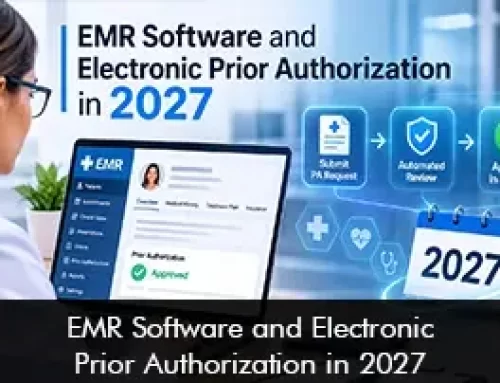
Another reason why practices are assessing their EHR software is the growing need for better data exchanges. For healthcare, interoperability provides a framework that can support improved care coordination and avenues to reduce care gaps. The new CMS Interoperability and Prior Authorization Final Rule will bring about new changes in 2027. According to this rule, which will be in effect from January 1st, 2027, standardized FHIR-based APIs need to be implemented for electronic prior authorization. This will push EMR software vendors to ensure their systems can support the connections and make way for data exchanges with payers.
The good news is that dynamic software vendors are already taking initiatives to expand their data-sharing capabilities. These steps can make a meaningful impact and help reduce communication gaps.
Cloud-based EMR software—Better Security and Patient Experiences
Cloud technology has taken the spotlight. Cloud-based software systems are simple to manage, offer flexibility, and provide better security. Some practices that have on-premise systems may consider switching to cloud solutions for greater benefits in the long run. Cloud-based vendors offer automatic updates that maintain security and provide access to patient records on the go. No provider wants to be tied to a desk to access patient records and upcoming schedules.
In 2027, patient expectations will be on the rise. Patients want improved patient engagement solutions so they can feel connected throughout their patient care journey. So EMR systems should offer intuitive and robust patient engagement functionalities like online scheduling, intake forms, convenient payment methods, and round-the-clock communication channels.
The Best EMR Software in 2027
Users need to stay cautious when it comes to the number of features EMR software vendors may advertise. The best electronic health records software vendor is one that offers features that can give solutions to everyday problems. So it shouldn’t be the number of functionalities promised but how those capabilities perform in real-world scenarios. Outdated workflows, rigid systems, and disconnected information are red flags in your existing system. The best EMR system in 2027 is one that can empower practices to manage their operations and deliver better care to their patients.