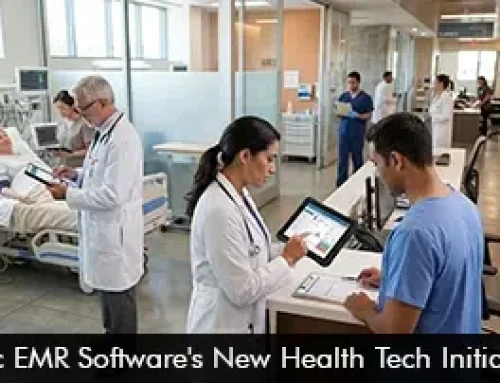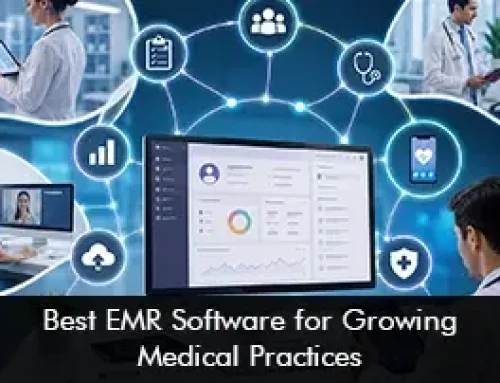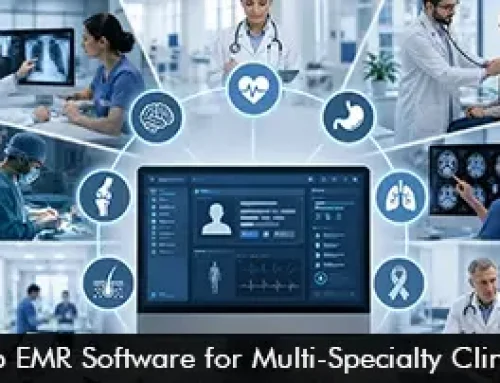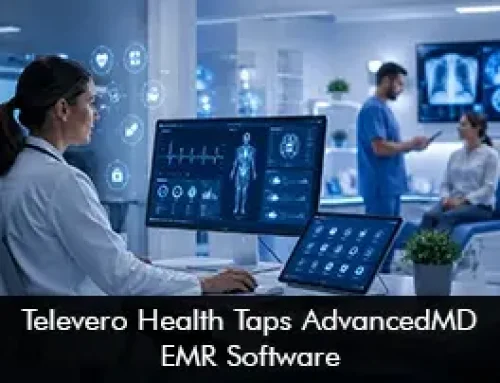

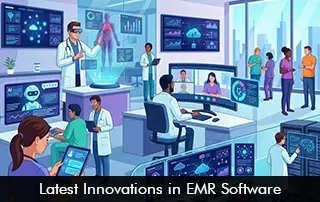
EMR software solutions have evolved for the better. For the longest time, AI remained a major topic, and modern platforms integrated AI tools to empower providers and improve patient care. AI remains critical in healthcare; in 2026, a new wave of innovation in EHR software has started beyond AI. Modern software vendors are focusing on robust interoperability, real-time healthcare collaboration, smarter workflows, and patient-controlled data. These new advancements are creating avenues to solve many healthcare challenges in the United States.
The Expansion of TEFCA
A connected ecosystem is important to boost healthcare delivery. With nationwide record sharing via TEFCA, hospitals with different EMR systems can ensure smooth data sharing via qualified health information networks. This ensures care coordination and the availability of accurate data in real-time.
This has a positive impact on the US healthcare system as patients no longer have to repeat their medical histories every time they visit a new provider. TEFCA also enables ER departments to have swift and precise access to patient records to support better decision-making
Electronic Prior Authorization in EMR Software Workflows
Getting approval from insurance companies for certain tests and medical procedures has always been an administrative load for providers. In 2026, fortunately, EHR software vendors like MEDITECH EMR software and athenaOne EHR software are embedding electronic prior authorization into clinical workflows. Now, doctors can easily send prior authorization requests from the patient’s medical record. This saves a lot of time and ensures patients can get approval for their treatments without much delay.
Real-Time Event Notification with EMR software
Leading electronic medical records software vendors like Epic Systems are enhancing real-time notifications for better communication and care Coordination with patients. For instance, a primary care provider with Epic EHR software will instantly receive an alert when one of their patients is admitted to the emergency department. Before, these notifications arrived a few days later or not at all. This facility ensures that providers can stay on top of their patients’ health and can effectively execute follow-up treatment plans.
Smarter EMR Software Automation workflows
AI integration in EHR platforms has automated and streamlined many tedious processes. Automation is becoming valuable, and EMR software workflows are also automated through standardized processes and predefined clinical rules. Lab follow-up tracking, referral management, and care gap identification are some daily tasks that are simplified with smarter workflows.
Why Do These EHR Software Innovations Matter in 2026 and Beyond?
These innovations in EMR systems technology are slowly transforming processes in practical ways. These innovations have proven to address long-term challenges by alleviating workload. Now physicians don’t have to search through records, and patients can benefit from connected healthcare delivery. The nationwide interoperability creates a framework that is necessary to bridge care gaps and keep specialists, providers, nurses, radiologists, and labs aligned so they can offer safe and personalized care.
For healthcare organizations looking to invest in EHR technology, these new features are not a simple upgrade but a necessity. These innovations can help providers deliver coordinated and patient-centered care.