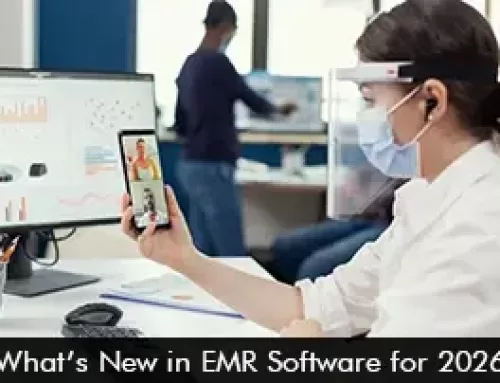

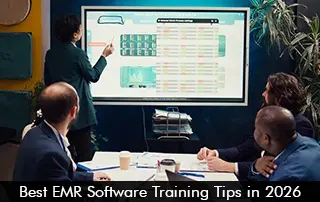
In 2026, EMR software systems are becoming smarter and faster with the power of AI. But here is the hard reality: even the most advanced EHR systems may not perform to their maximum capacity if staff members and providers are not trained properly. Hence, training is a surefire guarantee to inculcate user confidence when using the software system; this can boost everyday efficiency and even reduce chances of frustration.
The Importance of EMR Software Training in 2026
In the healthcare sector, training for Electronic Medical Records (EMR) software is essential for several reasons. First, it guarantees that medical providers can use the software system effectively, simplifying their workflow and reducing mistakes.
Appropriate training for EHR software is offered by prominent vendors such as AdvancedMD EMR software, Epic Systems, and many more that promise adherence to legal requirements, like HIPAA, protecting patient privacy and data security. Furthermore, effective EMR software use improves teamwork and communication across healthcare organizations, improving patient outcomes and care.
Comprehensive electronic medical records software training empowers users to use the system to its full advantage and finish tasks quickly. Through effective training, the providers don’t see the software as an added burden but as a tool that can assist them to improve healthcare delivery.
EMR Software Training Tips for this Year
So what are the best EHR Software training practices that can boost provider satisfaction and eliminate burnout in 2026?
Training ensures that electronic medical records software technology can be utilized at its full potential. Providers can feel comfortable with the EMR System just like they are with their smartphones with the best training programs.
Specialty-Specific EHR Software Training
These training programs, as the name suggests, are designed to meet the unique requirements of medical specialties. Specialty-specific EMR Software like Dermatology, Physical Therapy software, etc., probes deeper into features, processes, and documentation procedures specific to a particular medical specialty than generic software training, which offers a general overview of the software’s capability.
Specialties like cardiology, cancer, or pediatrics, for instance, might have different terminology, workflows, and documentation requirements than general practice. Healthcare practitioners in these disciplines are guaranteed to be competent in utilizing the EHR Software to precisely record and manage patient data, expedite clinical workflows, and adhere to specialty-specific norms and regulations with specialty-specific EMR systems training programs.
E-Learning Modules for Electronic Health Records Software
Working remotely works well for many professions, and so do virtual or E-learning training modules for EMR Software. The e-learning modules are available remotely and can allow providers to educate themselves at their own pace and convenience. It gives them the accessibility and flexibility to utilize educational training programs when they want. This training method is cost-effective and hassle-free. Software updates and modifications can be readily included in e-learning EHR Software training, giving users constant access to the most recent and pertinent information.
Healthcare organizations can improve patient care and operational efficiency by using e-learning to train users to navigate the software. This allows them to quickly onboard new employees, maintain high levels of competency in software utilization, and refresh the skills of existing users.
Ongoing EMR Software Training and Education
Electronic Medical Records Software training is not a one-time process or activity but a continuing drill. According to KLAS ongoing EHR training can address the issue of physician burnout and can boost overall satisfaction.
For example, the Mayo Clinic introduced a program tagged as the reBoot Camp to improve ongoing EMR Software training education between providers and staff members. During the program, software training was inculcated via lectures, information exchange, and active learning labs
Training for Success
Successful practices in 2026 also understand training by role. For example, healthcare providers do not require extensive training on billing software; this helps to empower teams so they can do their job the best with the EMR software implemented. Training is the key to transforming day-to-day workflows and creating avenues for better patient care and satisfied users.