
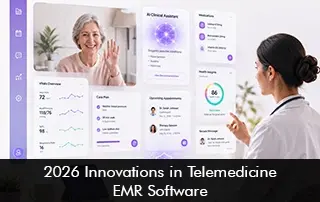
Telemedicine software has evolved over the years by being more than a remote care option. Telemedicine EMR Software got the spotlight during the COVID-19 pandemic, where providers and patients both saw this as a safe way to deliver and get care. Modern Telemedicine EHR software has become advanced with AI integrations, remote patient monitoring, and interoperability. As hybrid care models have become a part of modern healthcare delivery, telemedicine has become even more crucial as it offers comprehensive virtual care solutions.
Telemedicine EMR Software over the Years
The inception of telemedicine electronic health records software started with offering video consultations between providers and patients. Over the years, Telemedicine EMR Software has evolved to seamlessly support the entire patient journey.
Modern Telemedicine EHR Software vendors like AdvancedMD EMR Software and Tebra software integrate patient scheduling, billing, documentation, e-Rx, and patient engagement solutions in a single platform.
Telemedicine has taken the center stage in healthcare by being utilized by many healthcare specialties such as mental health, primary care, dermatology, pediatrics, and many more. In the United States, more than 71% of physicians have implemented telemedicine solutions in their practices.
Main Telemedicine Software Innovation in 2026
AI-Propelled Clinical Documentation
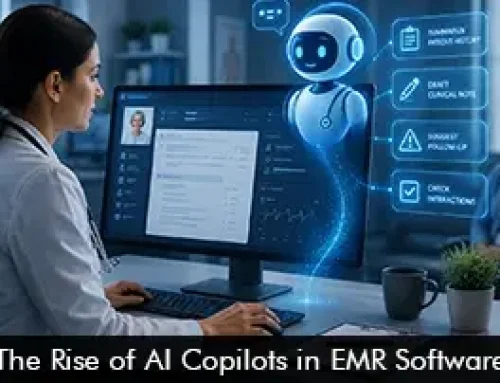
Several vendors, like Epic Systems, eClinicalWorks EMR Software, and more, have integrated ambient AI clinical documentation tools. This innovation makes a meaningful impact as providers during their telemedicine session don’t have to manually enter notes but can take advantage of the ambient functionality to automatically create notes while listening to real-time patient encounters. Clinicians can easily review the patient notes before they are entered into the medical record. This is a great way to reduce provider burden associated with documentation and can also make way for enhanced patient interactions.
Intelligent Virtual Care Workflows
The AI-driven workflows in telemedicine software are designed to prioritize patient messages, identify patients that are at a higher risk, automate scheduling, and even suggest billing codes. These inventive capabilities are making processes smarter by reducing administrative workloads.
Advanced Remote Patient Monitoring
RPM has become the foundation of virtual care. Patients that have chronic conditions and use blood pressure monitors, oximeters, and glucometers can benefit in real-time as this critical data is made available in the EMR software.
The seamless integration of RPM in telemedicine software empowers providers to take a proactive role in patient care, as they can quickly flag abnormal readings and offer intervention when needed.
Integration of Patient Engagement Tools
To keep patients involved and boost their participation scores, telemedicine EMR software has included convenient and intuitive patient engagement features such as secure messaging, intake forms, scheduling, and self-service portals.
Stronger Interoperability
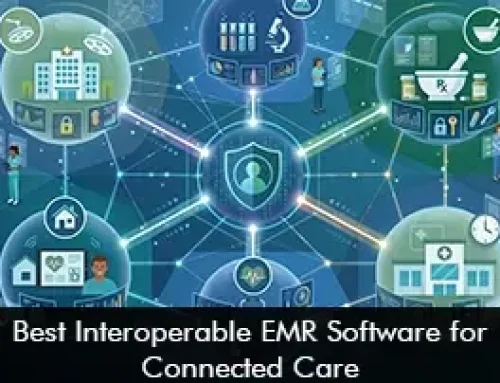
In 2026, telemedicine EHR software has greatly benefitted from robust interoperability. Modern telemedicine platforms support standardized APIs and real-time data exchange between providers, specialists, labs, and pharmacies. The interoperability in telemedicine software can reduce duplicate testing and boost care coordination for high-quality patient care.
Federal Policymakers to Support Telemedicine EMR Software
The US government and policymakers are supporting telehealth by making virtual care laws easier. The laws have expanded Medicare telehealth flexibilities. This includes home-based virtual visits, removed geographical restrictions, and enhanced provider eligibility. The lax in restrictions reflects that telemedicine has become an integral part of healthcare, making it more accessible for people at large.